
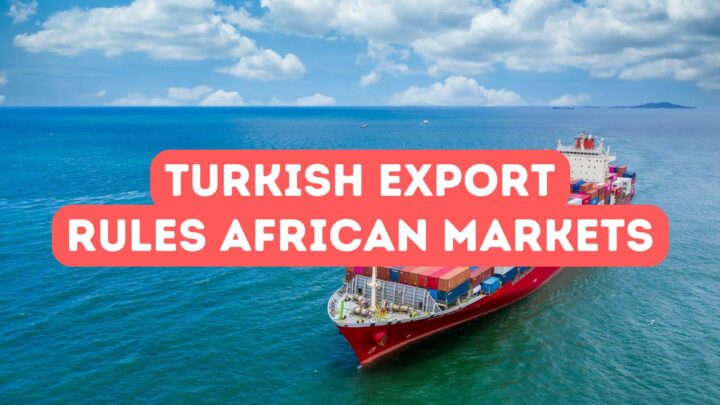
Navigating Turkish export regulations for African markets requires deft understanding and strategic planning. For businesses venturing into international trade, it’s akin to crossing a bustling bazaar where each stall presents unique challenges and opportunities. The right approach can significantly smooth the journey. Ensuring compliance with export documentation is crucial for success. Whether you’re exporting textiles, automotive parts, or electronics, understanding the specific demands and expectations of African markets can be the difference between a thriving partnership and a missed connection. Turkish goods, known for their quality, have vast potential in these diverse regions, provided they meet regulatory requirements. Without appropriate measures, shipments risk delays or rejection, hampering business growth. Thus, understanding Turkish export regulations is key to unlocking the full potential of African markets. It’s not just about moving goods; it’s about creating bridges, establishing trust, and ensuring that Turkish products shine on the international stage.
Navigating Compliance: Essential Turkish Export Regulations
Understanding the essentials of Turkish export regulations can spell the difference between seamless international trade and shipping fiascos. For businesses eyeing African markets, it’s crucial to comprehend these regulations. From mandatory licenses to meticulous export documentation, each step requires careful attention. Turkish goods, celebrated worldwide for their quality, must align with the legalities to thrive in these burgeoning markets. Exporters need to be aware of product-specific rules that might affect garments, machinery, or technology. Staying abreast of these requirements isn’t just about compliance; it’s about paving a way for Turkish products to make a mark and fostering enduring relations in these promising regions. As the trading landscape evolves, businesses must remain agile, ensuring they traverse the maze of regulations with precision and insightfulness.
Navigating compliance in Turkish export regulations can seem daunting, yet it forms the backbone of successful international trade with African markets. The process begins with obtaining the necessary export documentation, a non-negotiable step in the journey. Turkish goods, from textiles to electronics, must meet specific criteria to gain entry into these markets. Being proactive ensures you’re ahead of the curve, adapting swiftly to any changes in regulation. Regularly updating oneself with compliance norms safeguards against potential disruptions. Moreover, clear communication with African partners regarding the specifics of Turkish export regulations can avert misunderstandings. The objective is not only to move products but to build robust connections, ensuring Turkish goods consistently thrive in these vibrant markets. By mastering the details of compliance, businesses secure their position as reliable trade partners, ultimately expanding their global footprint with confidence and finesse.
For those venturing into international trade, understanding the detailed intricacies of Turkish export regulations is crucial. Navigating compliance starts with mastering key export documentation, as African markets demand strict adherence to rules that differ from one product segment to another. Turkish goods, from exquisite textiles to cutting-edge electronics, must first align with these requirements to forge successful international trade routes. An often overlooked aspect is the necessity for continuous monitoring of regulatory updates; staying informed is the compass that guides exporters through this labyrinth. Through proactive management and strategic foresight, businesses can position themselves favorably, ensuring that Turkish products not only reach but flourish in diverse African landscapes. Building solid relationships with customs officials and local partners can also ease the journey, transforming challenges into opportunities for Turkish exporters aiming to make a lasting impact.
Market Opportunities: Expanding Turkish Goods in Africa
Sure, seizing market opportunities in Africa begins with understanding the vibrant landscape of Turkish export regulations. The continent’s dynamism offers an array of prospects for Turkish goods, poised to capture the hearts of discerning consumers. From bustling streets of Nairobi to bustling markets in Lagos, African markets crave reliable, quality imports. Such potential warrants scrutinizing export documentation to prevent any inconvenience during the trade process. For international trade enthusiasts, this venture is more than a business endeavor; it’s a dance of diplomacy and commerce. The demand for Turkish textiles, electronics, and more is on the rise. So, businesses must hone their strategies, aligning them with the unique needs of each region. African markets are windows of opportunity waiting to be explored. Ultimately, adhering to these regulations is the compass that guides Turkish goods through these promising terrains, ensuring an ever-expanding footprint across the continent.
Deciphering Turkish export regulations opens doors to African markets teeming with potential. The landscape is diverse, where international trade acts as a bridge between cultures and economies. Turkish goods, cherished for their quality, are well-suited to meet the demands across Africa—from electronics that light up lives in urban hubs to textiles that adorn vibrant festivals. But expanding these opportunities hinges on precise export documentation. Ensuring that every document is in place and all requirements are met is like navigating a well-choreographed trade dance. It’s essential to build trust with each shipment, creating a path for smoother exchanges to follow. When Turkish exporters fully grasp the specifics of export regulations, they empower their businesses to flourish. They ready themselves to embrace new opportunities in African markets, reinforcing Turkish goods’ reputation globally. The focus isn’t just on products, but on fostering enduring relationships across continents.
Venturing into African markets offers a promising horizon for expanding Turkish goods. As international trade evolves, the spotlight on Turkish export regulations becomes all the more pivotal. These markets, with their rich tapestry of cultures and economic potential, provide fruitful ground for Turkish textiles, automotive parts, and electronics. Ensuring the completion of all necessary export documentation acts as an anchor, securing a solid foundation for business growth. The demand for quality and reliability in African markets positions Turkish goods as a favored choice. It’s not merely about tapping into markets; it’s about knitting a fabric of trust and constant growth. By adhering to these regulations, businesses carve paths to new possibilities, fostering resilience and reliability. Ultimately, Turkish goods don’t just travel distances; they connect communities, creating pathways to sustainable trade relationships. In this dance of commerce, bridging continents ensures shared prosperity and cultural exchange.
Strategic Partnerships: Leveraging Turkish-Africa Trade Relations
Strategic partnerships hold the key to enhancing Turkish export regulations and solidifying trade ties with African markets. By leveraging existing diplomatic and commercial relationships, businesses can gain valuable insights into the unique landscape of international trade. This approach is similar to a time-tested recipe, blending familiar Turkish charm with the vibrant spirit of African enterprise. Such alliances not only streamline the process of export documentation but also ensure Turkish goods meet local demands. Imagine the synergy when a renowned Turkish textile producer collaborates with a flourishing African fashion house; the possibilities are endless. Engaging with African partners creates pathways for smoother transactions, mitigating risks such as shipment delays. In fostering these networks, Turkish exporters not only expand their reach but also fortify their reputation as reliable and adaptable trade partners in the global market.
In the intricate dance of international trade, Turkish export regulations and African markets become interwoven through strategic partnerships. When firms navigate this trade terrain, they realize that cooperation is not merely beneficial but essential. A partnership with local African firms can open doors previously barred by cultural and regulatory misunderstandings. Consider how such alliances facilitate the navigation of export documentation, ensuring Turkish goods breeze through customs. The importance of these relationships cannot be understated; they act like a well-oiled machine, reducing friction and easing the path for Turkish goods into bustling African markets. Exporters who understand this dynamic often see their products transform from just commodities into valued assets within the African economy. By actively engaging in these cooperative ventures, Turkish exporters embrace a future where their goods are not only welcomed but eagerly anticipated across African nations, reinforcing their role as pivotal players in global trade.
Possessing a keen understanding of Turkish export regulations can illuminate the path to thriving in African markets. This knowledge not only aids in aligning with export documentation but also enhances the adaptability of Turkish goods to meet diverse customer needs. Through strategic partnerships, exporters can seamlessly weave Turkish quality with the dynamism of African markets, offering a mutual exchange of innovation and tradition. Imagine a Turkish electronics firm adapting its robust tech knowledge alongside a savvy African distributor, ensuring products meet distinct local preferences. Such collaborations bring Turkish goods to the forefront, showcasing their potential within the spectrum of international trade. As these partnerships flourish, they essentially form a bridge, making Turkish exports not just items of transit but integral threads in Africa’s growing economic tapestry. By prioritizing cooperative efforts, Turkish exporters pave the way for enduring success, embedding their products deeply into the fabric of African business landscapes.
Disclaimer: This article is for general informational purposes only and you are strongly advised to consult a professional to evaluate your personal situation. No liability is accepted that may arise from the use of the information in this article.