
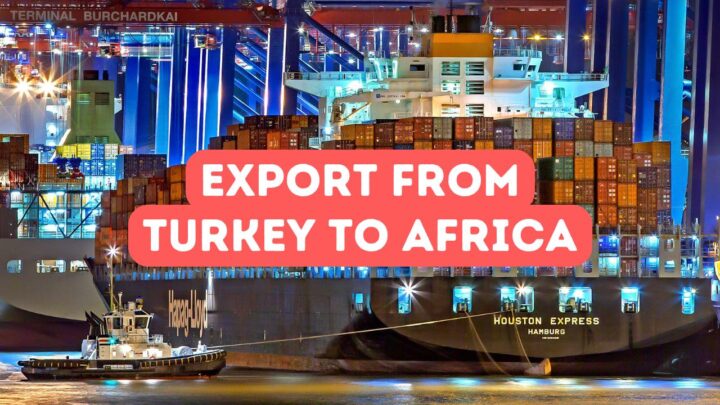
Exporting from Turkey to South Africa is a venture filled with promise. It’s a journey where the Aegean breeze meets the vibrant markets of Johannesburg. The allure of trade with South Africa calls to Turkey’s vibrant industries, bridging two continents with economic opportunity. With thriving trade routes, this exchange offers businesses a chance to flourish. Understanding import regulations South Africa is crucial. They shape how goods traverse borders and reach eager consumers. Shipping logistics Turkey ensures smooth transit, turning potential hurdles into simple steps. As Turkish textiles, machinery, and goods flow to South Africa, they weave a story of collaboration and mutual growth. Turkish companies must ensure they remain informed about tariffs and logistics. This is not just trade; it’s a cultural handshake, an embrace across seas. Dive in and explore the potential that exporting from Turkey holds for capturing the dynamic South African market.
Navigating Regulatory Landscapes for Exporting Goods to South Africa
Tackling the challenge of navigating regulatory landscapes is crucial for businesses keen on exporting from Turkey to the dynamic market of South Africa. Every consignment has to meet the stringent import regulations South Africa enforces to ensure safe and compliant arrivals. Companies must arm themselves with a comprehensive understanding of these rules or risk facing setbacks. It’s not merely about transporting goods from Turkey to South Africa; it’s about ensuring each piece of machinery, every textile, speaks the language of legality. Engaging with experts on shipping logistics Turkey provides can transform this intricate dance between regions into a graceful glide. By giving due attention now, businesses can avoid potential pitfalls later, smoothing the way for their goods to flow seamlessly across borders. Exploring trade with South Africa through proper channels isn’t just smart—it’s indispensable.
Understanding import regulations South Africa is not just a necessity; it’s a pathway to success. Firms exporting from Turkey must familiarize themselves with the labyrinth of rules and tariffs. These guidelines dictate the seamless flow of goods from Turkey to South Africa. Aligning with these regulations reflects diligence, fostering goodwill and trust with trade partners. For instance, specific documentation, from bills of lading to certificates of origin, must be meticulously prepared. Shipping logistics Turkey services can unravel these complexities, offering valuable insights and support. This way, businesses mitigate risks while maximizing their chances for growth in the trade with South Africa. When every aspect of the process ticks like clockwork, companies experience fewer unexpected hitches. So, dance to the rhythm of compliance, and watch your products elegantly land in the hands of thrilled South African consumers.
Clear understanding of the import regulations South Africa enforces is a critical element in the export puzzle. Turkish firms face the challenge of translating compliance into success. This demands awareness of tariffs, certifications, and shipping logistics Turkey options. Yet, this challenge is not insurmountable. By embracing these necessary steps, exporting from Turkey becomes a structured, predictable path. Cooperation with South African customs agents may reveal invaluable insights, smoothing rocky paths into paved avenues of opportunity. With each guideline adhered to, and every regulation respected, trade with South Africa flourishes. The journey from Turkey to South Africa transforms into more than just a shipment—it becomes a testament to dedication and precision. This synergy between nations cultivates an ongoing relationship, paving ways for prosperous future ventures. Commit to a strategy that honors compliance, and watch as your goods gain momentum, becoming sought-after commodities in dynamic South African markets.
Key Products with High Demand in the South African Market
In the bustling market of South Africa, certain Turkish products command exceptional demand, creating a golden bridge of opportunity for exporters. Turkish textiles remain at the forefront, admired for their quality and style, and effortlessly merging with the fashion pulse of Johannesburg. Not far behind, Turkey’s machinery stands as a testament to precision and durability, inviting industries across South Africa to invest in innovation. The culinary charm of Turkish food products also makes a flavorful entry, offering a taste of the Mediterranean to the local palate. These key players are not merely items; they are identities, establishing a strong foothold in trade with South Africa. By understanding import regulations South Africa and optimizing shipping logistics Turkey, businesses can transform challenges into triumphs. Indeed, exporting from Turkey is not just an economic activity but a socio-cultural exchange, enriching both nations through shared prosperity.
Electronics and electrical goods from Turkey are fast becoming staples in South Africa’s rapidly advancing tech landscape. The demand for innovative gadgets and practical appliances is on the rise, crafting a robust trade with South Africa. Turkish exporters seize this opportunity by aligning their offerings with the tech-savvy needs of the South African market. Furthermore, Turkey’s superior ceramics and glassware add a touch of elegance, captivating the tastes of discerning consumers. Meanwhile, Turkish processed foods continue to find favor with South Africans, who crave the unique flavors and aromas reminiscent of elegant Turkish feasts. These sectors faciliate a vibrant flow of commerce, proving that exporting from Turkey to South Africa goes beyond mere transactions. It’s a dynamic dialogue between cultures that embraces diversity, sustains economies, and enriches everyday life. Mastering import regulations South Africa and perfecting shipping logistics Turkey are key to unlocking this mutual prosperity.
Automobiles exported from Turkey are navigating their way into the heart of South Africa’s bustling streets. They offer not just functionality, but a driving experience infused with Turkish ingenuity and style. As demand accelerates, this sector gains momentum, spearheading trade with South Africa. Meanwhile, Turkey’s furniture, known for impeccable craftsmanship, finds a warm welcome in homes across Johannesburg and Cape Town. These pieces aren’t just furniture—they’re storytellers, weaving Turkish narratives into South African living spaces. Additionally, Turkey’s cosmetics industry, boasting natural ingredients and innovative formulations, catches the eye of beauty enthusiasts. The key to sustaining this thriving export scene lies in mastering import regulations South Africa and fine-tuning shipping logistics Turkey. As these products embed themselves into everyday life, they forge a connection that respects differences yet celebrates shared ambition, making exporting from Turkey to South Africa a beacon of collaborative success.
Strategies for Streamlining Your Export Process from Turkey to South Africa
Streamlining your export process from Turkey to South Africa requires precision and strategy. Understand the import regulations South Africa to navigate legal requirements seamlessly. Grasping these rules is vital for ensuring efficient trade with South Africa. Knowing what paperwork is needed, such as invoices and certificates, keeps your goods moving across borders with ease. It’s like having a map in the vast world of trade. Next, focus on shipping logistics Turkey, which involves choosing the right freight options that align with your export needs. From selecting reliable partners to efficient warehouse management, each step enhances your export’s journey from Turkey to South Africa. Aim to minimize delays and cut costs through strategic planning. It’s not just about moving products but building a bridge of opportunity. Embrace this approach to unlock the full potential of your business in South Africa’s thriving market.
Effective communication is key when exporting from Turkey to South Africa. Engaging with local partners can illuminate trade with South Africa, making the maze of import regulations South Africa much simpler. Framing these interactions as partnerships rather than transactions fosters goodwill and invaluable insights. Consider technology as your trusted ally; platforms designed for international trade can streamline operations. Use these tools to track shipping logistics Turkey efficiently, reducing the risk of delays. Another crucial element? Flexibility in adapting to the dynamic market demands between Turkey to South Africa. Keep an ear to the ground and let market trends guide your strategy. Regular updates and training for your team on these evolving trends can be your secret weapon. Remember, each transaction is more than a sale—it’s building trust and expanding your reach in South Africa’s diverse marketplace.
Maintaining strong relationships is the cornerstone of successful exporting from Turkey. Building a network in South Africa involves more than just exchanging goods; it’s about creating a lasting bond. To effectively trade with South Africa, establish consistent communication channels with your South African counterparts. Use digital tools to overcome geographical barriers, ensuring seamless interaction and understanding. Meanwhile, stay informed about ever-changing import regulations South Africa. Swift adaptation to these changes can turn potential stumbling blocks into stepping stones. Pair technology with timeliness and responsiveness to handle shipping logistics Turkey. Prioritize choosing partners who value punctuality and reliability to maintain flow. This synergy of technology and relationships equips you to face challenges head-on. By staying proactive and adaptive, your venture from Turkey to South Africa won’t just be a transaction—it’s an opportunity to set firm roots in a thriving economy, fostering long-term business success.
Disclaimer: This article is for general informational purposes only and you are strongly advised to consult a professional to evaluate your personal situation. No liability is accepted that may arise from the use of the information in this article.