
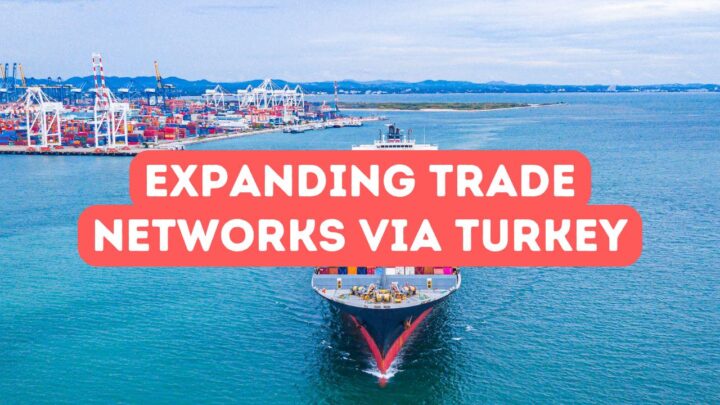
Expanding African trade networks via Turkey presents a compelling opportunity to boost economic growth. Turkey trade relations with Africa have enormously evolved, opening new horizons for commerce and collaboration. By leveraging Africa Turkey partnerships, businesses can tap into a plethora of trade opportunities in Africa that were once untapped. Did you know that expanding trade links can significantly elevate the continent’s economic status on the global stage? With Turkey’s strategic geographic position and growing influence, the potential for strengthening these networks is immense. It’s vital to address these opportunities head-on to ensure both regions reap the benefits of increased trade. Imagine the possibilities if African trade networks reached their full potential! The collaboration not only promises mutual economic prosperity but also fosters a deeper connection between two vibrant regions. Embrace this transformative journey that promises a brighter future for African markets.
Revitalizing Trade Routes: The Turkey-Africa Connection
Turkey’s bustling trade routes with Africa have become a beacon of revitalization. Reflecting centuries-old Silk Road connections, the modern-day Turkey-Africa link breathes life into historic pathways of commerce. As Turkey trade relations flourish, it paves avenues for fresh economic engagements and expanding trade links. For Africa, tapping into these routes means unveiling a chest of trade opportunities in Africa that can transform local markets. Businesses need to grasp Africa Turkey partnerships—bridging aspirations of trade with reality. The synergy between these regions equates to more than transactions; it’s a cultural exchange. With Africa’s profound resources and Turkey’s fervent industrial momentum, the stage is set. By advancing African trade networks through a Turkish lens, nations shield themselves against unpredictable economic tides. Visualize the vibrant exchanges and mutual prosperity at the heart of this burgeoning relationship. It’s a journey of progress, tethering past lessons with future aspirations.
Sure, picture a journey that not just links continents but binds them in shared ambition. Revitalizing trade routes between Africa and Turkey isn’t merely an economic tale; it’s a renaissance. This connection, built on Turkey trade relations, breathes new life into African trade networks. The buzz of commerce transcends borders, weaving a tapestry vibrant with opportunity. It’s an orchestra, with Africa Turkey partnerships playing a harmonious melody that advances evolving markets. Expanding trade links unleash the full spectrum of trade opportunities in Africa. They’re not just pathways but lifelines stimulating growth. As ships navigate these waters, so do dreams and aspirations. Businesses, entrepreneurs, nations—not individuals but communities—benefit. Imagine cargoes not of goods alone, but hopes and visions. With every handshake, every deal, these trade routes echo with promise—seeding prosperity, one transaction at a time. Let’s embrace this corridor to a future where shared wealth and cultural exchange flourish.
Revitalizing the Turkey-Africa connection means unlocking a treasure trove of trade opportunities in Africa. Picture bustling ports, alive with the sound of innovation and growth. This is the wonder of African trade networks springing to life. Emerging from the crossroads, Turkey trade relations inject energy into these links, creating pathways that are more than mere roads—they are bridges to economic prosperity. Africa Turkey partnerships serve as the compass pointing toward shared success. It’s not just commerce; it’s a story of alliances that enrich and empower. As Africa and Turkey collaborate, each handshake turns into a global handshake, reaching beyond borders. Expanding trade links become avenues of transformation, illuminating new markets and expanding horizons. This is more than a connection; it’s a renaissance, revitalizing age-old routes, and catalyzing a future embellished with shared dreams and mutual benefits. Embrace this shared journey; it’s the dawn of a promising new era.
Strategic Partnerships: Enhancing Economic Collaboration
Strategic partnerships between African trade networks and Turkey offer a golden ticket to economic collaboration. Businesses are increasingly recognizing the potential of Africa Turkey partnerships as a catalyst for growth. Turkey’s trade relations with Africa act as a bridge, connecting vast resources and innovation hubs. By focusing on expanding trade links, industries can uncover trade opportunities in Africa, paving the way for lucrative ventures. Picture a highway buzzing with the brisk exchange of goods and ideas, creating a dynamic economic environment. Collaborations can transform marketplaces, introducing new products, technologies, and expertise. To see such partnerships flourish, stakeholders must engage proactively, nurturing these relationships. By fostering this spirit of collaboration, we lay the groundwork for a thriving economic landscape that benefits African markets and Turkey alike.
African trade networks are rapidly evolving, with Turkey playing a pivotal role in this transformation. The synergy of Africa Turkey partnerships promises a robust exchange of resources and knowledge. Consider how businesses, armed with a strategic plan, dive into trade opportunities in Africa. They find themselves on a path ripe with innovation and growth. Turkey’s geographic location further amplifies these prospects, providing a logistical advantage in expanding trade links. As entrepreneurs and market leaders embrace this evolving landscape, they’re not just stacking profits but building enduring alliances. It’s a vibrant crossroads where creativity meets commerce, redefining what’s possible in these diverse markets. Such partnerships are not only a testament to the strength of African trade networks but also a celebration of collaboration that illuminates a bright economic horizon for both regions.
The lifeline of African trade networks depends on strategic partnerships, embedding Turkey as a crucial ally. As Africa Turkey partnerships deepen, they unlock a treasure trove of trade opportunities in Africa, fostering an ecosystem brimming with potential. Turkey’s trade relations act as a conduit that injects energy into these ventures. Businesses embracing this synergy are not just surfing the wave of economic expansion but riding the crest of a newfound collaboration. This harmony is reflected in expanding trade links that seamlessly connect industries, cultivating mutually beneficial alliances. Picture a thriving marketplace where ideas and goods flow freely, bridging cultures through commerce. Such collaborations prompt a renaissance of innovation, crafting pathways that are more than mere transactional; they’re transformative. Through these enhanced connections, both regions gain invaluable insight, fueling growth that is both sustainable and impactful.
Overcoming Challenges: Navigating Trade Barriers in Expansion
Expanding African trade networks and overcoming trade barriers call for a strategic approach. One major hurdle is the bureaucratic red tape that often bogs down Africa Turkey partnerships. Turkey trade relations have indeed improved, but challenges like complex regulations persist. For businesses keen on tapping into trade opportunities in Africa, understanding and addressing these issues is crucial. Engaging local experts can make navigating these barriers smoother. Turkey’s unique position can serve as a bridge, but local knowledge is key. Opportunities slip away when trade links are slowed down by unnecessary complexities. When the path is clear, businesses can thrive, expanding trade links and strengthening economies. It’s essential to be proactive, addressing these roadblocks to facilitate seamless commerce. Africa Turkey partnerships can unlock remarkable potential, but only with the right strategies in place.
Turkey trade relations continue to evolve, providing a solid foundation for expanding African trade networks. However, businesses often face significant obstacles when diving into trade opportunities in Africa. Overcoming these challenges requires strategic planning and local insight. Bureaucratic hurdles, like endless paperwork and inconsistent regulatory frameworks, slow progress. Disruptions like these can impact the flow of goods and investment, binding potential growth. Africa Turkey partnerships must prioritize breaking down these barriers to ensure successful outcomes. Collaborative initiatives have the power to simplify these complexities. While there’s no magic bullet, taking consistent, small steps can clear the way. Streamlining processes and engaging with local authorities help in creating a smoother transit for goods. This proactive stance in addressing challenges fosters stronger connections, ultimately enriching trade relations. When everyone is on the same page, expanding trade links becomes more than just a possibility—it becomes a reality.
Bridging the gap in African trade networks demands innovation and resilience. Turkey trade relations, while promising, encounter obstacles such as fluctuating tariffs and logistical inefficiencies. Addressing these issues requires more than transactional solutions; it needs adaptive strategies tailored to the unique landscape of Africa Turkey partnerships. Imagine unraveling a tangled web where every thread represents a nuanced regulation or a challenging trade route. This complexity can deter even the most persistent businesses from exploring trade opportunities in Africa. Yet, through collaboration and shared experiences, businesses can expand trade links with confidence, paving the way for more streamlined exchanges. By focusing on harmonizing standards and fostering open dialogue, companies can bypass hurdles, leading to economic prosperity on both sides. It’s a journey not without its detours, but with perseverance, the path to successful partnerships becomes increasingly navigable.
Disclaimer: This article is for general informational purposes only and you are strongly advised to consult a professional to evaluate your personal situation. No liability is accepted that may arise from the use of the information in this article.