
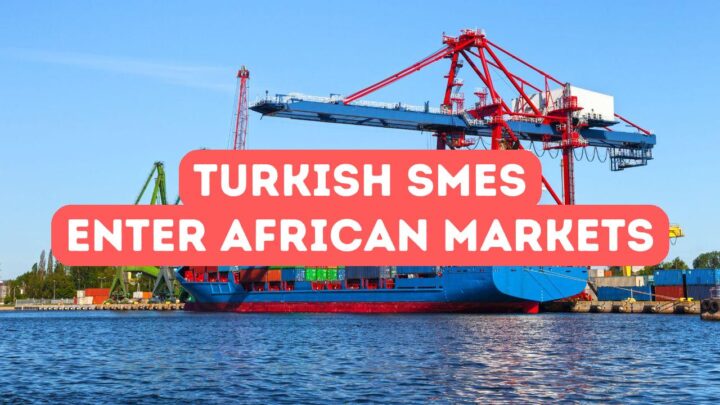
Entering the Africa market presents a golden opportunity for Turkish SMEs seeking new horizons. With the continent’s booming economies and thirst for international business, Turkish companies have a unique chance to thrive. Yet, navigating this landscape can be tricky without the right SME growth strategies. So, what does successful Africa market entry require? It revolves around understanding local nuances and harnessing export opportunities. Remember, expanding into international business isn’t just about selling. It’s about creating lasting partnerships and building trust. A thought-out approach ensures Turkish SMEs break into these vibrant markets effectively. Consider this: Turkey and Africa enjoy strong ties, offering a robust platform for collaboration. Turkish SMEs need to leverage these relationships, focusing on both cultural and economic factors. By aligning their business objectives with local needs, these companies can create success stories that resonate across borders. In essence, Africa’s emerging markets are waiting—are Turkish SMEs ready to answer the call?
Strategic Pathways for Turkish SMEs in Africa
Strategic pathways for Turkish SMEs in Africa demand a thoughtful blend of patience and ambition. First, understanding local cultures and business etiquette is a stepping stone for Africa market entry. Why? Because knowing the rhythm of a new place paves the way for genuine connections. Turkish SMEs must dive deep into these nuances to capitalize on rich export opportunities. Think of it this way: by tailoring their SME growth strategies to local needs, these enterprises plant seeds of trust that, in time, blossom into success. There’s no denying that international business isn’t a sprint; it’s a marathon. And in this race, the swiftest aren’t always the earliest winners—rather, it’s those who’ve mastered the art of adaptability. Here, resilience is your ally. Let these insights be your compass as you chart the course into Africa’s vibrant markets, laying foundations for enduring partnerships and stellar growth.
Building robust connections is central to success in Africa market entry, and Turkish SMEs should look beyond conventional strategies. Instead, focus on harnessing the potential of local partnerships to unlock new export opportunities. There’s power in collaboration, after all. Engaging with local distributors can serve as a bridge, paving smoother paths into these diverse markets. These connections are the threads weaving into the broader fabric of international business. Dive into these relationships without hesitation. Why? Because they accelerate SME growth strategies that resonate with trust and mutual benefit. Consider leveraging local knowledge—a vital ingredient for decision-making in unfamiliar territories. In essence, blending Turkish business acumen with local insights creates fertile ground for blossoming enterprises. With each strategic move, Turkish SMEs inch closer to realizing their African dreams. So, embrace the challenge, and let partnership be the cornerstone of your journey towards sustainable growth and lasting success.
Training and support mechanisms stand as pillars for Turkish SMEs engaging in Africa market entry. A commitment to ongoing learning is vital; after all, continuous knowledge translates into growth. Offerings such as workshops on local export opportunities and SME growth strategies become indispensable tools. Insights into international business further bolster capability. Consider mentorship programs—veterans guiding new entrants, sowing seeds of success through shared experiences. Why does this matter? Such initiatives equip businesses with the tools they need to flourish in new territories. Moreover, a well-informed team navigates challenges with confidence, seamlessly adapting to Africa’s dynamic economic landscape. High competence, coupled with strategic support, becomes the twin engine propelling Turkish SMEs forward. So, as they advance, they carry with them not just ambition, but a toolkit tailored for triumph. Ultimately, this approach fosters a thriving ecosystem where success stories aren’t just told—they’re lived.
Overcoming Challenges: Lessons from Successful Turkish Enterprises
Breaking into the African markets can seem daunting, yet many Turkish SMEs have triumphantly overcome hurdles. The key lies in learning from those who’ve paved the way. Successful enterprises focus on building resilient strategies for Africa market entry. They delve into understanding local cultures and establishing a robust presence. For instance, navigating regulations and adapting products to cater to African tastes have proven vital for these business trailblazers. Prioritizing export opportunities, they ensure their offerings align perfectly with local demands. This isn’t just a game of numbers; it’s a journey of crafting relationships that foster trust. By sharing experiences and insights, these Turkish SMEs turn challenges into stepping stones, enabling growth in international business and fostering enduring partnerships. Such strategic SME growth strategies shine a light on what perseverance, adaptability, and understanding can achieve, setting a powerful precedent for others looking to embark on this path.
Sure, Turkish SMEs diving into the Africa market often face unique challenges—arguably as complex as traversing a vast desert. However, those who’ve succeeded emphasize strategic adaptability. Tackling supply chain issues head-on, for instance, is crucial for seamless Africa market entry. This process involves realigning operations to local conditions, mitigating logistics hiccups before they snowball. On the ground, understanding diverse business etiquettes enhances relationships, anchoring Turkish companies in a sensitive web of connections. Consider it akin to learning a new dance; missteps might occur initially, but persistence refines the moves. Those who conquer these initial hurdles see rewards in the form of rich export opportunities. By tailoring SME growth strategies to Africa’s dynamic environment, Turkish enterprises not only fortify their international business presence but also craft narratives that inspire their peers. It’s a road less traveled, but for those daring to take it, the journey can be significantly rewarding.
Equipped with insights from prior triumphs, successful Turkish SMEs show that each challenge holds a key. Take market research; knowing your audience is akin to finding water in an arid desert. These businesses tailor their SME growth strategies by listening closely to local consumers, understanding needs intimately. It’s all about reading the room—or country, in this case. By engaging with local partners and adopting flexible business models, they turn obstacles into advantages. For instance, embracing Africa’s digital landscape opens doors for seamless transactions and stronger customer engagement. Moreover, these pioneers harness export opportunities through innovative solutions, ensuring products don’t just enter the market but become indispensable. Turkish SMEs that conquer these hurdles don’t just survive; they thrive in the realm of international business. They set benchmarks that echo with opportunity, showing that with the right approach, the Africa market entry can transform challenges into catalysts for success.
Navigating Cultural Differences: Best Practices for Market Entry
Understanding cultural differences is fundamental for Turkish SMEs planning their Africa market entry. Each nation across the continent boasts unique traditions and business practices. Missteps in this department can hamper efforts and strain potential partnerships. For instance, in some regions, business interactions are more relationship-oriented, emphasizing trust and loyalty over quick transactions. Turkish SMEs must be aware of these dynamics to effectively penetrate these markets. Employing SME growth strategies that incorporate cross-cultural training can bridge gaps and facilitate smoother international business dealings. It’s about more than recognizing customs—it’s appreciating the underlying values. Grasping local business etiquettes and norms can open doors to greater export opportunities. Partner with local experts who can offer insights and guidance. Adaptation is key, and respecting these nuances is the first step toward a successful Africa market entry, ensuring Turkish firms are not just seen as outsiders, but as collaborative allies.
Building successful business relationships in Africa starts with listening and learning. Turkish SMEs should approach Africa market entry by immersing themselves in local culture and work ethics. This understanding forges trust and eases communication. SME growth strategies must focus on empathy and adaptability, acknowledging that each interaction carries weight. Recognize that directness, common in Turkish business culture, might be perceived differently across African regions. Incorporating cultural insights into business plans is vital, enhancing both export opportunities and international business success. Engage local advisors who can provide valuable perspectives and guide Turkish SMEs through these complexities. Flexibility in business dealings can lead to stronger partnerships. Learning the art of negotiation and partnership in varied cultural settings lays a solid foundation. Such diligent preparation ensures that Turkish SMEs don’t just navigate, but thrive in these vibrant markets, turning challenges into stepping stones for long-term success.
Crafting a tailored approach for Africa market entry means Turkish SMEs need to prioritize cultural comprehension. Carefully observing local business environments and receiving input from knowledgeable local partners can prevent many pitfalls. Here’s a tip: embrace patience. In some African cultures, rushing negotiations is frowned upon, potentially closing doors before they’re even ajar. SME growth strategies should integrate cultural education as a cornerstone, treating it with the same importance as financial or logistical planning. This promotes not just smoother international business but genuinely fruitful relationships. It’s about blending in, not standing out, in a competitive business scene. Turkish SMEs aiming for long-term export opportunities must internalize this wisdom. Seek feedback, respect local customs, and openly share knowledge. That reciprocity lays the groundwork for successful collaboration. Effective communication, coupled with open-mindedness, is crucial. Navigate these cultural differences wisely and Turkish businesses can strengthen their foothold in Africa, turning initial challenges into bridges for future success.
Disclaimer: This article is for general informational purposes only and you are strongly advised to consult a professional to evaluate your personal situation. No liability is accepted that may arise from the use of the information in this article.