
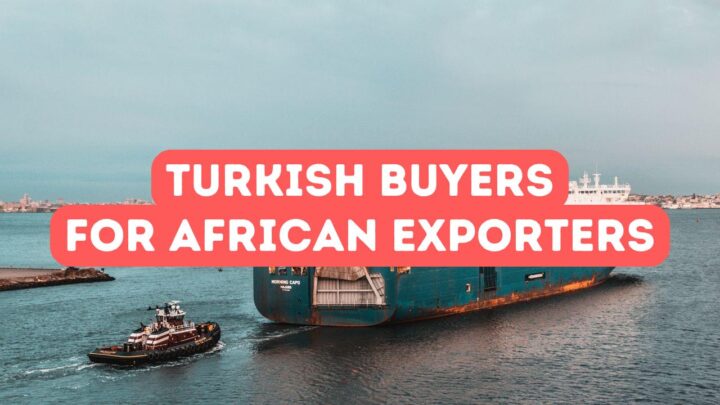
Turkish buyers are increasingly setting their sights on the rich offerings of African exporters. This dynamic relationship promises a treasure trove of trade opportunities, paving the way for African products to reach diverse global markets. Why is this interaction gaining traction? For starters, Turkish buyers are captivated by the unique quality and variety African exporters deliver. From robust agricultural goods to captivating artisanal items, the array is extensive. Yet, reaching Turkish buyers requires strategic market access. Navigating this can be as challenging as it is rewarding, akin to solving a complex puzzle. African exporters willing to engage in this vibrant trade dance will find not just buyers, but partners eager to explore and expand. So, what are the gateways to success in this burgeoning market? An understanding of culture, a commitment to quality, and an eye on trends could turn these trade opportunities into long-standing business relationships.
Unlocking New Markets: The Rise of Turkish Buyers in African Exports
African exporters are finding new horizons thanks to the increasing interest of Turkish buyers. This burgeoning interest unlocks a once-untapped market, presenting countless trade opportunities. Turkish buyers are particularly drawn to the distinct charm of African products, from aromatic spices to vibrant textiles. But how can African exporters ensure fruitful partnerships? For one, market access is vital. Understanding the Turkish market nuances and cultural expectations makes all the difference. Those who master this dance, treating it like a carefully choreographed exchange, will discover a future brimming with potential. Strategic alliances with these buyers can transform trade relationships into thriving, mutually beneficial ventures. In essence, as Turkish buyers continue to explore, African exporters have unprecedented chances to deliver their unique offerings to a broader audience.
The rise of Turkish buyers in African exports is not just an opportunity—it’s a revelation. With eyes keenly set on the rich tapestry of African products, Turkish buyers are unveiling untapped trade opportunities. This surge in interest represents more than just a fad; it’s a concerted effort towards establishing enduring trade ties. African exporters are tapping into this energy with an eye on market access, understanding that getting a foothold in the Turkish market is like holding the key to a treasure chest. The allure of diverse African offerings, paired with strategic insight into market dynamics, can turn initial partnerships into long-term success stories. As Turkish buyers continue to pursue these vibrant products, the dance between the nations grows in harmony. Unlock this door, and one finds not just a market, but a canvas where African and Turkish trade ventures can truly paint a masterpiece.
For African exporters, the influx of Turkish buyers heralds a promising frontier, opening doors to diverse market access. These trade opportunities aren’t just fleeting moments—they’re stepping stones to a broader stage. African products, celebrated for their striking originality, are gaining a foothold among Turkish buyers who are eager to explore and invest. Picture Turkish buyers as explorers in a vibrant marketplace, seeking African exporters who can deliver quality and innovation. They’re more than mere customers; they’re strategic partners opening avenues that were once unimagined. Grasping these chances requires not only meeting quality expectations but also understanding market demands. To seize this moment, African exporters must gear up, ensuring their offerings resonate with the values and tastes that keep Turkish buyers enthralled. By embracing this mutual curiosity and commitment, both African and Turkish markets stand to reap rich rewards, weaving a tapestry of cross-cultural collaboration.
Navigating Cultural Differences: Building Effective Partnerships with Turkish Buyers
Understanding cultural nuances can be the cornerstone of successful relationships with Turkish buyers. African exporters venturing into this landscape must embrace these differences to secure lasting trade opportunities. The Turkish business world values trust and personal connections as much as it treasures quality African products. Sharing a meal and fostering rapport go beyond simple gestures; they open doors to deeper partnerships. Communication plays a critical role, where respectful dialogue and patience are essential. For African exporters, positioning themselves as both reliable and insightful about Turkish culture can smooth the path to effective market access. The reward? A solid alliance that transcends mere transactions, morphing into a strategic partnership backed by mutual growth and shared successes. African exporters who grasp this cultural dance will find Turkish buyers ready to reciprocate with respect and loyalty, solidifying a foothold in this promising market.
Forging effective partnerships with Turkish buyers hinges on bridging cultural divides, and for African exporters, it’s a journey worth embarking on. Market access isn’t merely about showcasing African products; it’s about weaving a tapestry of trust and understanding. Turkish buyers appreciate authenticity and are quick to see through façades. This calls for African exporters to present their trade opportunities genuinely, aligning values and business ethics. While negotiations can feel like a chess match, patience and perseverance pay off. Successful trades often resemble a well-choreographed dance, with each step in sync with cultural expectations. Acknowledging Turkish traditions in business etiquette and embracing shared values amplifies rapport. By skillfully navigating these cultural differences, African exporters can unlock a wealth of possibilities, transforming trade interactions into meaningful collaborations. Investing in this connection ensures that African products don’t just reach Turkish buyers, but resonate with them in profound ways.
Building a bridge between Turkish buyers and African exporters hinges not just on trade, but on the fabric of culture interwoven with sincerity. Before embarking on this journey of market access, African exporters must dive into the sea of Turkish customs, learning the ebb and flow of their business tides. Each interaction becomes a thread in a larger tapestry, crafting relationships that extend beyond simple exchanges. Transparency and respect form the backbone of these ties, offering a sturdy platform to present African products. Such authenticity doesn’t just open doors; it rolls out a red carpet of trade opportunities. It is crucial for African exporters to embrace this cultural dance, ensuring every step is measured, every gesture appreciated. Turkish buyers, keen observers that they are, value this genuine approach, fostering partnerships that echo with potential well beyond the immediate horizon.
Trends and Opportunities: The Future of African Goods in Turkish Markets
In the ever-evolving landscape of international trade, African exporters find a vibrant stage set for their products in Turkish markets. Demand for African goods is steadily climbing, driven by Turkish buyers keen on diversifying their imports. This surge presents countless trade opportunities for those ready to step into the spotlight. African products, known for their distinctive quality and rich history, entice Turkish buyers who are eager to introduce these treasures to their own consumers. Market access, once seen as a daunting hurdle, is now opening up thanks to targeted efforts on both sides. Whether it’s the allure of handcrafted items that tell a story or the reliability of agricultural staples, the potential for meaningful connections is undeniable. With strategic foresight and a pulse on the latest trends, African exporters can transform potential into success, crafting a future where partnerships flourish and markets expand.
In this landscape where change is the only constant, Turkish buyers seek fresh prospects from African exporters. This exciting interaction hints at a promising future for African goods within Turkish markets. Peering into the crystal ball, one can see the rise of demand for niche African products. From organic produce to artisanal crafts, a diverse array fuels this evolving appetency. Such trends highlight the endless trade opportunities African exporters can tap into. An essential ingredient for success? Market access. Crafty partnerships and insightful strategies carve pathways that bridge continents. With steadfast market access, African exporters navigate a promising future. Keeping pace with shifting consumer desires, they can present unique offerings that charm Turkish buyers. The future is a canvas painted with cross-continental exchanges, and African goods are poised to shine brightly. What’s next in this unfolding story? It all starts with embracing these emerging trends and forging ahead with renewed vigor.
As Turkish buyers cast a wider net, African exporters stand on the brink of an exhilarating voyage. Trade opportunities are blossoming, carried by the winds of shifting consumer preferences. There’s a burgeoning curiosity for African products that embody authenticity and novelty. While organic materials and handcrafted gems dazzle Turkish buyers, it is market access that stitches these geographies into one tapestry. With strategic connections and a focus on sustainable practices, African exporters can harness the winds of change and sail towards promising horizons. The key lies in adaptation and foresight—where traditional meets contemporary, and where African essence finds a place in Turkish homes. By capitalizing on these burgeoning trends, African exporters discover a wealth of potential where their unique stories transform goods into gateways of cultural exchange. Embracing this synergy, the future of African products in Turkish markets appears not just hopeful, but glowing with potential.
Disclaimer: This article is for general informational purposes only and you are strongly advised to consult a professional to evaluate your personal situation. No liability is accepted that may arise from the use of the information in this article.